Aluminium Crisis Request Quote Contact Us Portal Login

Menu


New Zealand’s aluminium extrusion industry is facing one of the most significant challenges in its history.

McKechnie remains committed to New Zealand manufacturing, local jobs and a resilient domestic supply chain. Fair trade matters because it gives local businesses the opportunity to compete on quality, service and productivity, rather than being undercut by unfairly priced imports.
This page explains what’s happening, why it matters, and where things go from here.
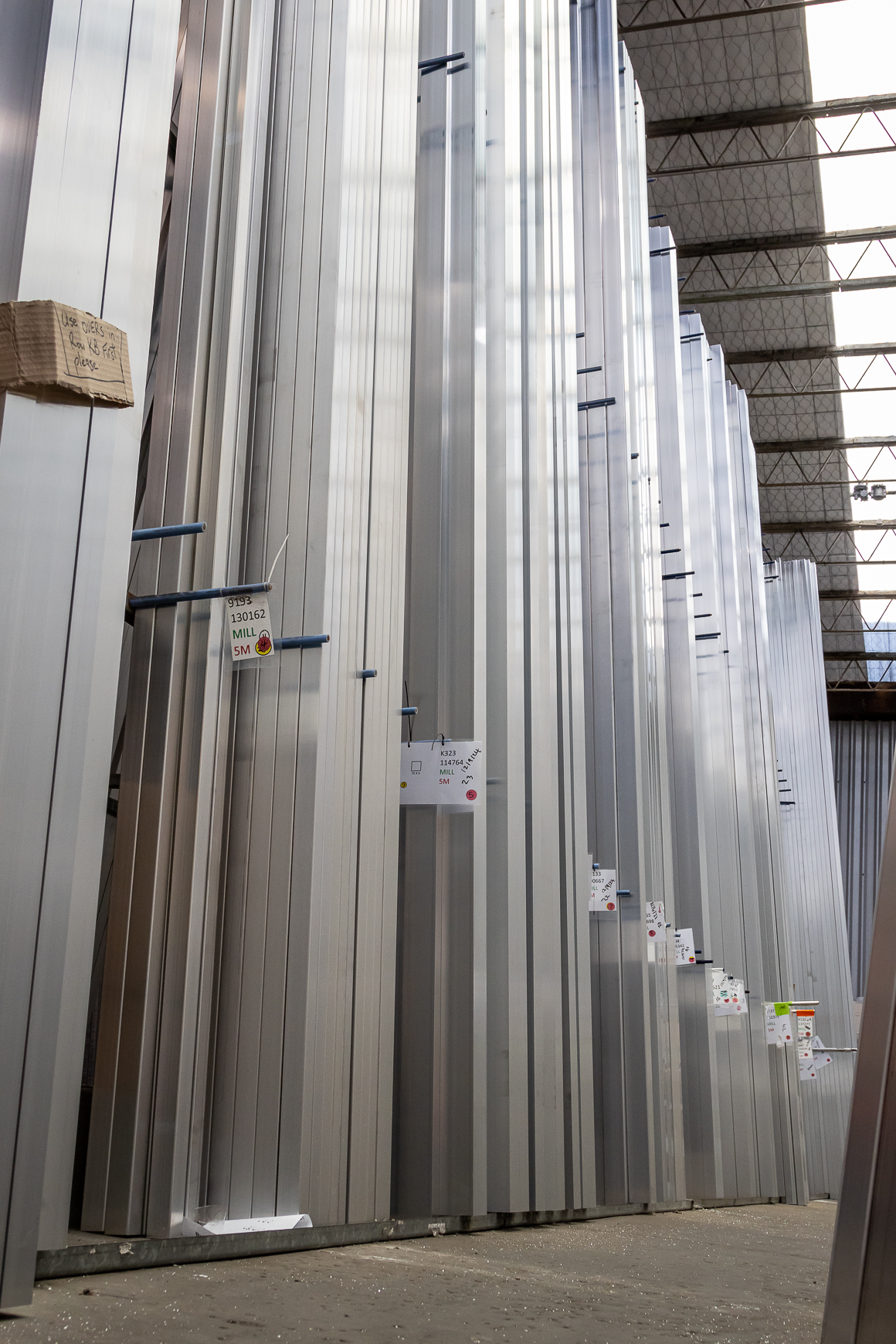
Aluminium extrusions are the profiles used in windows, doors, building facades, transport and countless manufactured products. In New Zealand, local extruders give businesses short lead times, consistent quality and technical support close to home.
At McKechnie’s New Plymouth site, remelting, extrusion, surface finishing, value-add fabrication and quality checks all happen under one roof. This capability supports thousands of jobs directly, as well as many more across businesses that rely on a reliable local supply. Keeping this capability in New Zealand is about more than one industry. It’s about supply chain resilience and preserving the country’s manufacturing base.
New Zealand’s aluminium extrusion industry is facing growing pressure from imported products amid changing global market conditions. These include:
Over the past decade, dumped, subsidised and predatory-priced imported extrusions have taken a growing share of the New Zealand market. Finished extrusions are reportedly arriving in New Zealand for less than the globally traded price of the raw aluminium required to manufacture them.
New Zealand extruders operate at world-class levels of quality, service and productivity, but no unsubsidised producer can compete fairly when imported products are priced at these levels.
In early 2026, the Aluminium Extruders Association of New Zealand (ALENZ), of which McKechnie is a member, applied for a safeguard measure.
When imports cause harm to a local industry, governments have three main trade remedies available under World Trade Organization (WTO) rules:
In October 2026, Commerce Minister Cameron Brewer declined to impose a safeguard, following advice from the Ministry of Business, Innovation and Employment (MBIE) that the legal threshold had not been met.
MBIE’s report acknowledged that the local industry had suffered serious injury. However, it attributed that injury mainly to other factors over the 2022–2025 investigation period, including lower construction activity, rising production costs and weaker business confidence.
New Zealand’s extruders recognise that the past few years have been challenging. Many have been operating for decades. McKechnie alone has been operating for nearly 75 years, through the Global Financial Crisis, COVID-19, oil shocks and other economic challenges.
However, the industry believes the current situation is different from a normal economic cycle, and several questions remain:
Australia, the United States, the United Kingdom, the European Union and Canada have substantial trade remedies in place against unfairly traded aluminium imports. Each maintains strong trade relationships with China.
New Zealand’s extruders are not asking to be protected from fair competition. They believe the industry should be treated consistently with producers in other countries and given the opportunity to compete on a level playing field.
As Dave Slomp, Managing Director of McKechnie Aluminium Solutions, puts it, New Zealand has a world-class industry that can compete with anyone under fair trade conditions.
The safeguard decision does not close the door on further action.
McKechnie and ALENZ intend to challenge the decision, arguing that the information provided by MBIE contains inaccuracies and has been incorrectly interpreted from both commercial and legal perspectives.
Anti-dumping and countervailing duty investigations also remain available. These measures have been used successfully by comparable countries, although they take longer and have their own legal thresholds. The Minister has indicated that MBIE will work with the industry if it pursues these options.
ALENZ is considering its next steps. McKechnie will update this page as developments occur.
Further updates, supporting interviews and relevant articles will be added as they become available.